Crypto Sportsbook Security: Protecting Your Funds and Data
 Available in US
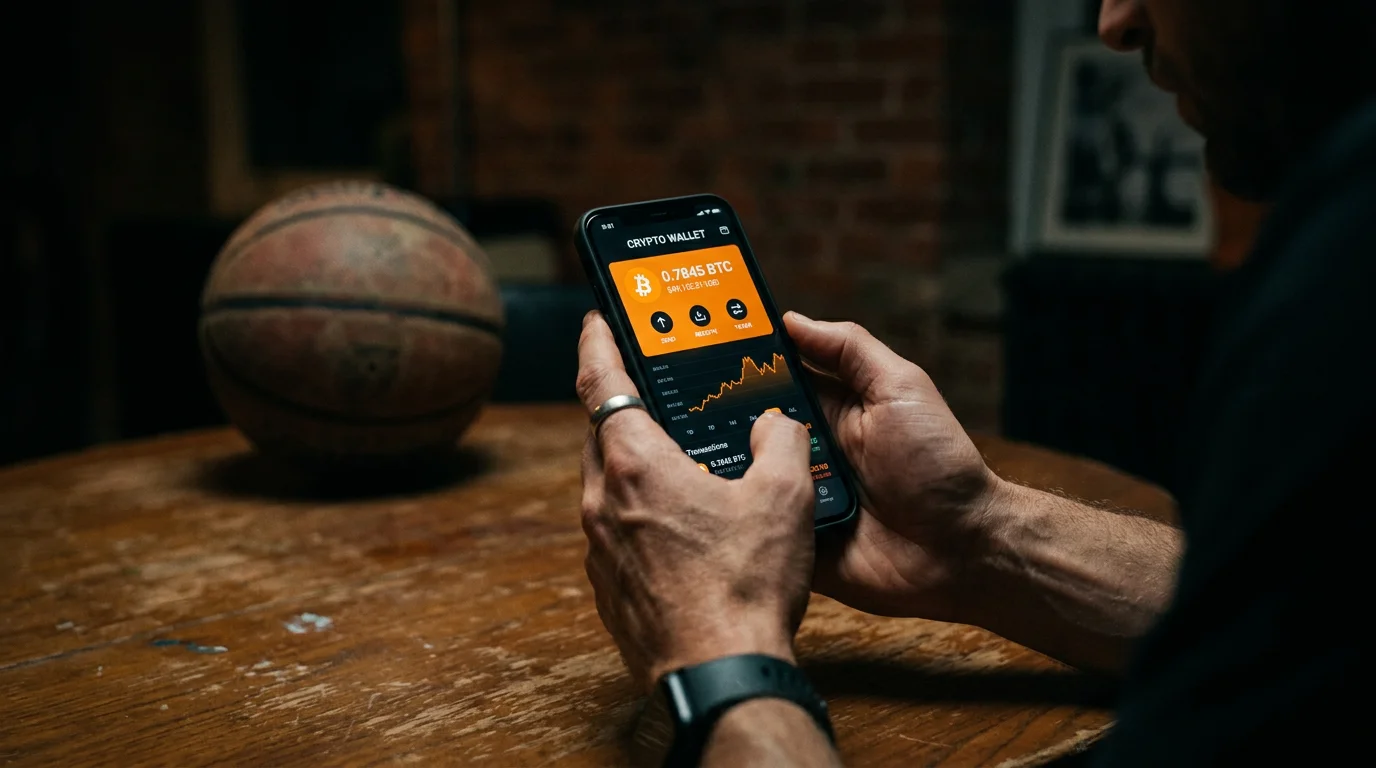
A contact in the crypto betting community lost 2.3 BTC last year to a phishing site that perfectly replicated a popular sportsbook. The fake domain differed by a single character – an “rn” that looked like an “m” in most fonts. He bookmarked the wrong site, logged in repeatedly for weeks, and only discovered the theft when he tried to withdraw.
Security in crypto sports betting carries unique stakes. Unlike traditional banking, cryptocurrency transactions are irreversible. There is no fraud department to call, no chargeback to file. When funds leave your wallet to a malicious actor, they are gone permanently.
The illegal gambling market targeting UK punters now controls 9% of online activity, representing roughly £379 million in the first half of 2025 alone. Many of these unlicensed operators specifically target crypto users, knowing that the combination of anonymity and irreversible transactions creates perfect conditions for fraud. After nine years in this space, I have seen security failures destroy bankrolls that took years to build. This guide covers the threats you face and the practical measures that actually protect against them.
Common Threats Targeting Crypto Bettors
Phishing remains the most successful attack vector I see. Attackers create convincing replicas of legitimate sportsbooks, promote them through ads or social media, and harvest login credentials from unsuspecting users. The sophistication has increased dramatically – modern phishing sites include working chat support, functional (but fake) account dashboards, and even simulated deposits to build trust before the theft.
Fake mobile apps represent a growing threat. Since most crypto sportsbooks cannot list on official app stores due to gambling restrictions, users download APK files directly. Attackers exploit this by distributing malware-laden apps through unofficial channels. These apps might function normally while silently exfiltrating wallet credentials or redirecting withdrawals to attacker-controlled addresses.
Man-in-the-middle attacks target users on public WiFi or compromised networks. The attacker intercepts communications between your device and the sportsbook, potentially capturing login details or modifying transaction data. That coffee shop WiFi might be convenient, but using it to access your crypto betting accounts is a genuine risk.
Social engineering attacks have adapted to crypto betting. Scammers pose as customer support representatives on Telegram or Discord, reaching out about “account issues” that require you to verify your seed phrase or private keys. No legitimate support staff will ever request this information – if someone does, they are attempting theft.
Exit scams operate on longer timescales. A platform might operate legitimately for months or years, building reputation and deposits, before disappearing overnight with user funds. The 531 unlicensed operators currently targeting UK bettors include some playing this long game.
Locking Down Your Sportsbook Account
Two-factor authentication is non-negotiable. Every sportsbook account should have 2FA enabled using an authenticator app – not SMS, which is vulnerable to SIM-swapping attacks. Google Authenticator, Authy, or hardware keys like YubiKey provide genuine additional security. The minor inconvenience of entering a code at each login is trivial compared to the protection it provides.
Password discipline matters more than most bettors acknowledge. Your sportsbook password should be unique – never reused from other sites – and complex enough to resist brute-force attacks. A password manager generates and stores strong passwords without requiring you to remember them. If you use the same password for your betting account as for your email, a breach on any site you use compromises everything.
Email security forms the foundation of your account security. Password reset emails go to your inbox, meaning anyone controlling your email controls your sportsbook account. Enable 2FA on your email, use a strong unique password, and consider a dedicated email address for gambling accounts that you do not use elsewhere.
Review active sessions regularly. Most platforms show currently logged-in devices in your account settings. Unfamiliar sessions indicate compromise – log out of all sessions, change your password immediately, and enable 2FA if you have not already. Some platforms offer alerts for new login locations, which provide early warning of unauthorized access.
Withdrawal address whitelisting, where available, prevents attackers from redirecting your funds even if they compromise your account. You pre-approve specific wallet addresses for withdrawals, and any new address requires additional verification or a waiting period before becoming active.
Wallet Security Best Practices
Never store significant crypto balances on sportsbook platforms longer than necessary. The site you trust today might be compromised tomorrow, and funds held in their custody are funds outside your direct control. Deposit what you intend to bet, withdraw winnings promptly, and treat sportsbook balances as temporary rather than storage.
Hot wallets – software wallets on your computer or phone – work for active betting funds. They offer convenience for frequent deposits and withdrawals while keeping your keys under your control. However, they remain vulnerable to malware on your device. Keep hot wallet balances limited to amounts you actively use for betting.
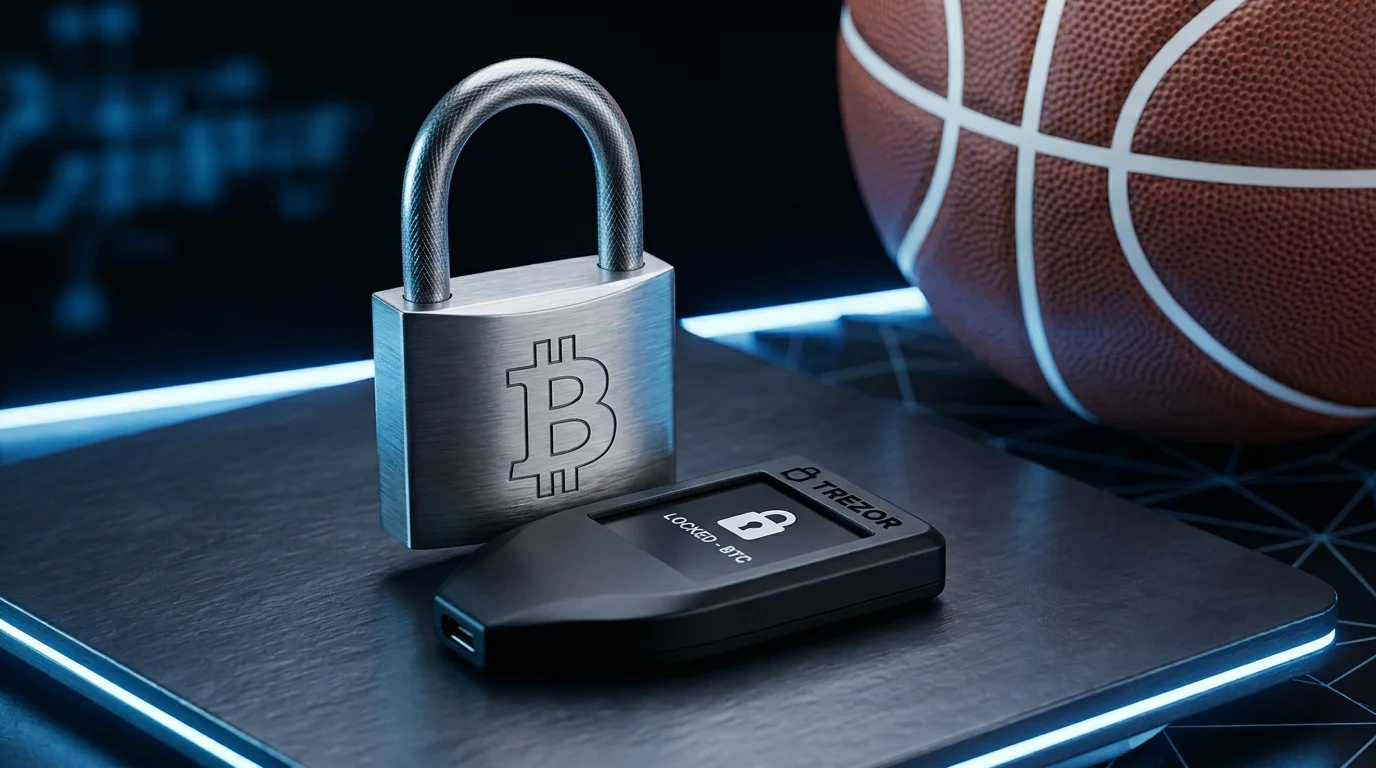
Cold storage handles your serious reserves. Hardware wallets like Ledger or Trezor keep private keys offline, making them immune to remote attacks. The device must be physically present to authorize transactions. If your crypto betting profits become substantial, moving them to cold storage protects against both platform failures and device compromises.
Seed phrase security is absolute. The 12 or 24 words that back up your wallet control everything. Never store them digitally – not in cloud storage, not in email, not in a text file. Write them on paper, store that paper securely, and consider metal seed phrase backups that survive fire and flood. Anyone with your seed phrase owns your crypto.
Verifying Platform Legitimacy
Ismail Vali, President of Gaming Compliance International, described the situation starkly when he noted that illegal online gambling in the UK now approaches 10% market share, achieved through exploiting vulnerable audiences. Verifying platform legitimacy before depositing protects you from becoming part of that statistic.
Check licensing information against official registries. A platform claiming a Curaçao license should appear in the Curaçao Gaming Control Board’s public records. Malta Gaming Authority licenses can be verified on their website. Claims that cannot be verified are worthless – treat unlicensed platforms with extreme caution regardless of their marketing.
Domain age and registration details reveal red flags. A sportsbook claiming five years of operation but running on a domain registered last month is lying. WHOIS lookups show registration dates and, sometimes, ownership information. Legitimate operators do not hide behind privacy services for their main domains.
Community reputation provides practical intelligence. Search for the platform name plus “scam” or “withdrawal problems” to surface user complaints. Check Reddit, crypto forums, and review aggregators for patterns. A few complaints are normal for any business, but systematic issues with withdrawals or account closures indicate fundamental problems.
The UK Gambling Commission has allocated £26 million specifically for enforcement against illegal operators. This increased regulatory attention means unlicensed platforms face growing pressure, making their long-term viability uncertain. Sticking with verifiable, established operators reduces your exposure to sudden platform disappearances.
Building Your Security Foundation
Security in crypto betting is not a single action but a continuous practice. The measures outlined here require initial setup effort and ongoing vigilance, but the alternative – losing funds to preventable threats – makes that effort worthwhile.
Start with the basics: unique strong passwords, 2FA on every account, and verified bookmarks for platforms you use. Build from there with proper wallet hygiene, regular security reviews, and healthy scepticism toward unsolicited communications. For deeper understanding of how blockchain technology itself provides certain security guarantees, the provably fair sports betting guide covers verification mechanisms built into the betting process.
The crypto betting ecosystem rewards informed participants and punishes careless ones. The irreversibility that makes cryptocurrency powerful also makes mistakes permanent. Invest time in security now, and your betting bankroll remains yours to wager – not someone else’s to steal.
Should I store cryptocurrency on the sportsbook platform?
Only store funds you actively intend to bet. Sportsbook platforms are custodial – they hold your keys, meaning you rely entirely on their security and honesty. For active betting funds, this is acceptable. For significant reserves or accumulated winnings, withdraw to your own wallet where you control the private keys. Treat sportsbook balances as temporary, not as storage.
How do I enable two-factor authentication?
Navigate to your account security settings – usually under ‘Settings,’ ‘Security,’ or ‘Profile.’ Select ‘Enable 2FA’ or similar, then choose authenticator app over SMS when given the option. Scan the QR code with Google Authenticator, Authy, or another authenticator app. Enter the generated code to confirm setup. Save any backup codes provided in a secure location separate from your device.
Published by the nba Crypto Betting team.