Solana Betting Sites: Fast, Low-Fee NBA Wagering on SOL
 Available in US
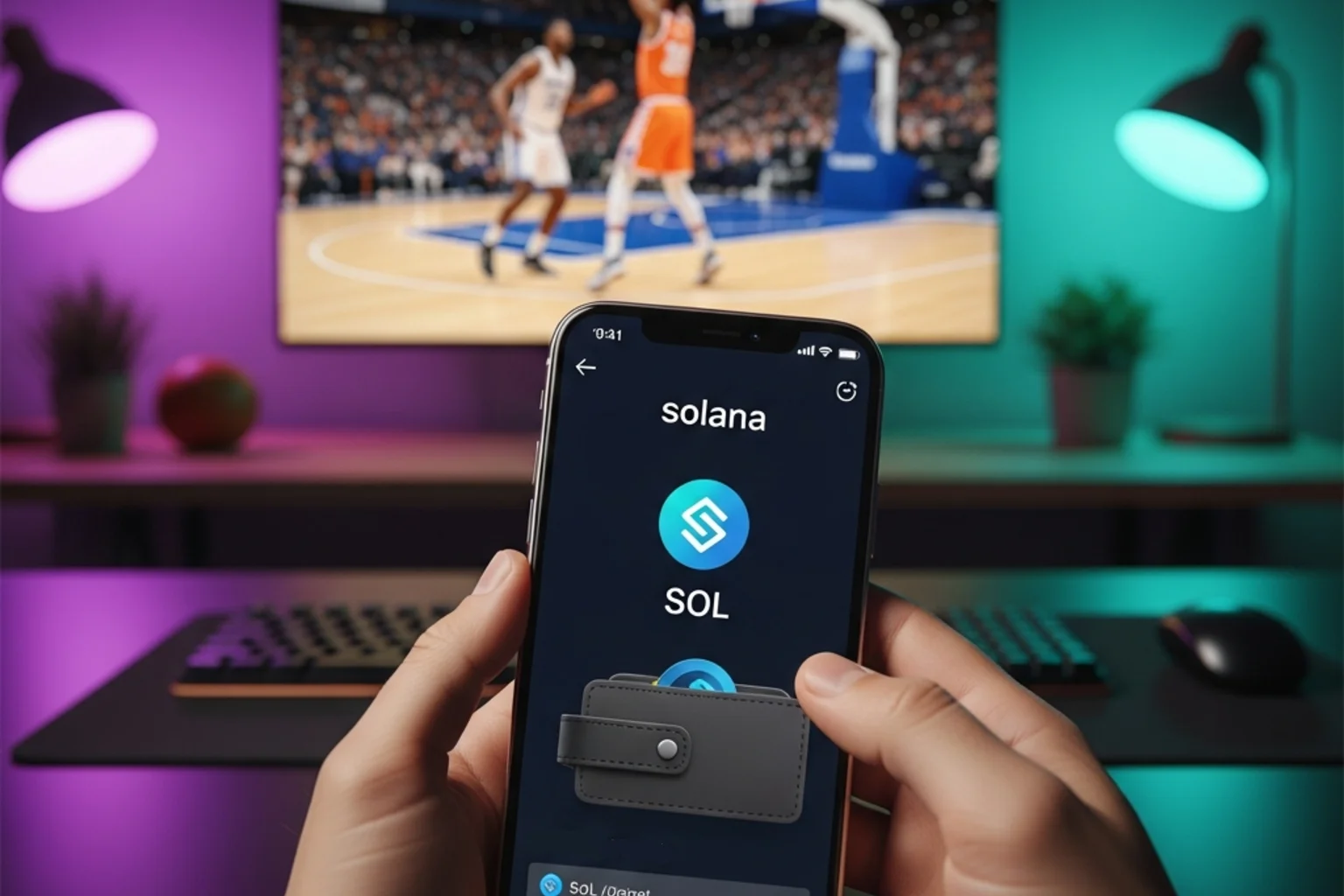
My first Solana deposit to a sportsbook cost less than a penny in transaction fees and confirmed before I finished typing my bet amount. Coming from Ethereum, where I once paid $47 for a single transfer, the difference felt almost absurd. Solana operates on a completely different scale of speed and cost.
Solana emerged as a serious contender in the blockchain space by prioritising transaction throughput above almost everything else. While Bitcoin processes roughly 7 transactions per second and Ethereum handles around 30, Solana claims theoretical capacity exceeding 65,000 TPS. For betting – where speed matters and transaction costs eat into margins – these numbers translate to practical advantages.
The blockchain gaming market reached $229.15 billion in 2025, with Solana capturing a meaningful share of that ecosystem through its developer-friendly infrastructure. This guide covers what makes SOL distinct from other betting cryptocurrencies, where to find sportsbooks accepting Solana, and the genuine limitations you should understand before committing to SOL for your NBA wagering.
What Makes Solana Different
Transaction speed on Solana approaches the instant. Block times run around 400 milliseconds, meaning transactions confirm in under a second. For live betting where opportunities disappear in moments, this speed eliminates the deposit delay that handicaps slower blockchains.
Fees on Solana typically run below $0.01 per transaction. This is not a typo – a fraction of a cent covers your deposit or withdrawal. Compare that to Bitcoin network fees that fluctuate from $1 to $20+ depending on congestion, or Ethereum mainnet fees that can spike above $50 during busy periods. The cost difference compounds dramatically for active bettors placing multiple transactions weekly.
Finality matters for betting confidence. On Solana, once a transaction confirms, it is permanent. Unlike blockchains with longer confirmation times where transactions can theoretically be reversed through reorganisation attacks, Solana’s consensus mechanism provides rapid finality. Your deposit is confirmed, period.
The network supports tokens beyond native SOL. USDC on Solana – sometimes called SPL USDC – provides stablecoin benefits with Solana’s speed and cost advantages. Bettors who want dollar stability without sacrificing transaction efficiency can use Solana-based USDC at supported sportsbooks.
Solana vs Bitcoin and Ethereum for Betting
Bitcoin remains the most widely accepted cryptocurrency at sportsbooks. Nearly every crypto betting platform takes BTC. Solana acceptance is growing but not universal – you will find fewer options than with Bitcoin. This matters if platform selection matters to you.
Ethereum offers smart contract capabilities that Solana also provides, but at dramatically higher costs. If you are simply depositing and withdrawing for betting purposes, Solana delivers similar functionality for less. If you need specific DeFi integrations or Ethereum-native features, those advantages do not transfer.
Lightning Network Bitcoin transactions process in seconds with minimal fees, matching Solana’s practical advantages. For platforms supporting Lightning, Bitcoin becomes competitive with SOL on speed and cost. Solana’s edge applies primarily against standard on-chain Bitcoin transactions.
Price volatility affects SOL differently than established cryptocurrencies. Solana’s market cap is smaller than Bitcoin’s, making it more susceptible to sharp price swings. A 15% daily move in SOL is not unusual, while Bitcoin rarely moves that much. This volatility affects your deposited value if you hold SOL on the sportsbook.
Finding Sportsbooks That Accept SOL
Solana acceptance at sportsbooks has expanded significantly over the past two years. Platforms built on blockchain-native infrastructure tend to support SOL more readily than traditional sportsbooks that added crypto later as a payment option.
When evaluating a Solana sportsbook, verify they accept native SOL deposits rather than requiring wrapped versions or conversions. True Solana integration means you send SOL from your wallet and it arrives as SOL. Platforms requiring swaps add friction and potential fees that undermine SOL’s advantages.
Check withdrawal options match deposit options. Some platforms accept SOL deposits but force withdrawals in other currencies. If maintaining your position in Solana matters to you – perhaps you expect price appreciation – this limitation affects your strategy.
NBA market depth varies independently of payment methods. A sportsbook accepting Solana might have shallow NBA offerings, while a Bitcoin-only platform might have extensive basketball markets. Choose based on betting quality, using Solana where available rather than prioritising SOL acceptance over everything else.
Setting Up Your Solana Wallet
Phantom has become the standard Solana wallet for most users. It offers browser extensions and mobile apps, handles SOL and Solana-based tokens, and integrates smoothly with DeFi applications and betting platforms. Setup takes minutes – download, create a wallet, secure your seed phrase.
Solflare provides an alternative with similar functionality. Some users prefer its interface or specific features. Both wallets are non-custodial, meaning you control your private keys rather than trusting a third party.
Seed phrase security applies to Solana exactly as it does to any cryptocurrency. The 12 or 24 words backing up your wallet are the only recovery option if you lose device access. Write them down physically, store them securely, never share them digitally. This is not new advice, but it remains critical.
Funding your Solana wallet typically means buying SOL on an exchange and transferring to your personal wallet address. Major exchanges support Solana withdrawals. Verify you are sending to a Solana address – sending SOL to an Ethereum address, for example, results in permanent loss.
Understanding Solana’s Limitations
Network outages have affected Solana historically. The blockchain has experienced multiple incidents where transaction processing halted or degraded significantly. While improvements have addressed some underlying issues, the track record includes downtime that Bitcoin and Ethereum have avoided.
Centralisation concerns persist among cryptocurrency purists. Solana’s validator requirements are more demanding than some networks, concentrating power among fewer, better-resourced operators. For betting purposes this matters less than for philosophical blockchain debates, but it affects long-term network resilience calculations.
Adoption lag means fewer Solana sportsbook options exist compared to Bitcoin. If your preferred platform does not accept SOL, the speed and cost advantages become irrelevant. Check platform support before building a Solana-centric betting strategy.
Converting SOL to other currencies for platforms that do not accept it introduces friction. Exchange fees, transfer times, and potential slippage eat into the savings that Solana’s low fees provided. The network advantages only materialise when you use SOL end-to-end.
Is Solana Right for Your NBA Betting?
Solana makes sense for bettors who value speed and low costs above maximum platform selection. If your preferred sportsbook accepts SOL and you are comfortable with the network’s tradeoffs, the transaction experience genuinely improves compared to slower, more expensive alternatives.
The best approach for most bettors involves maintaining flexibility. Hold SOL for platforms that accept it, keep Bitcoin or stablecoins for platforms that do not. Solana’s advantages are real but not universal – treating it as one tool among several rather than an exclusive commitment preserves your options.
Test small deposits and withdrawals before committing significant funds to any Solana sportsbook. Verify the platform handles SOL as advertised, check withdrawal processing times, and confirm market depth meets your NBA betting needs. The technology works well when the implementation matches. For broader analysis of which cryptocurrencies suit different betting scenarios, the stablecoins versus Bitcoin guide covers additional considerations.
Is Solana safe for sports betting?
Solana is technically secure for transactions, with standard cryptographic protections. The main safety considerations involve network reliability – Solana has experienced outages that Bitcoin has not – and the security of your chosen sportsbook rather than the blockchain itself. Use reputable platforms and maintain proper wallet security regardless of which cryptocurrency you use.
How do I convert SOL to USDT?
Exchange platforms like Binance, Coinbase, and Kraken support SOL to USDT swaps. Transfer SOL from your wallet to the exchange, execute the swap, then withdraw USDT to your desired wallet or sportsbook. Alternatively, some decentralised exchanges on Solana allow direct swaps without using centralised platforms. Compare fees across options before executing.
Created by the ”nba Crypto Betting” editorial team.